Written by: Mümin İNAN
MAC ART | Design, Digital PR and Brand Communication
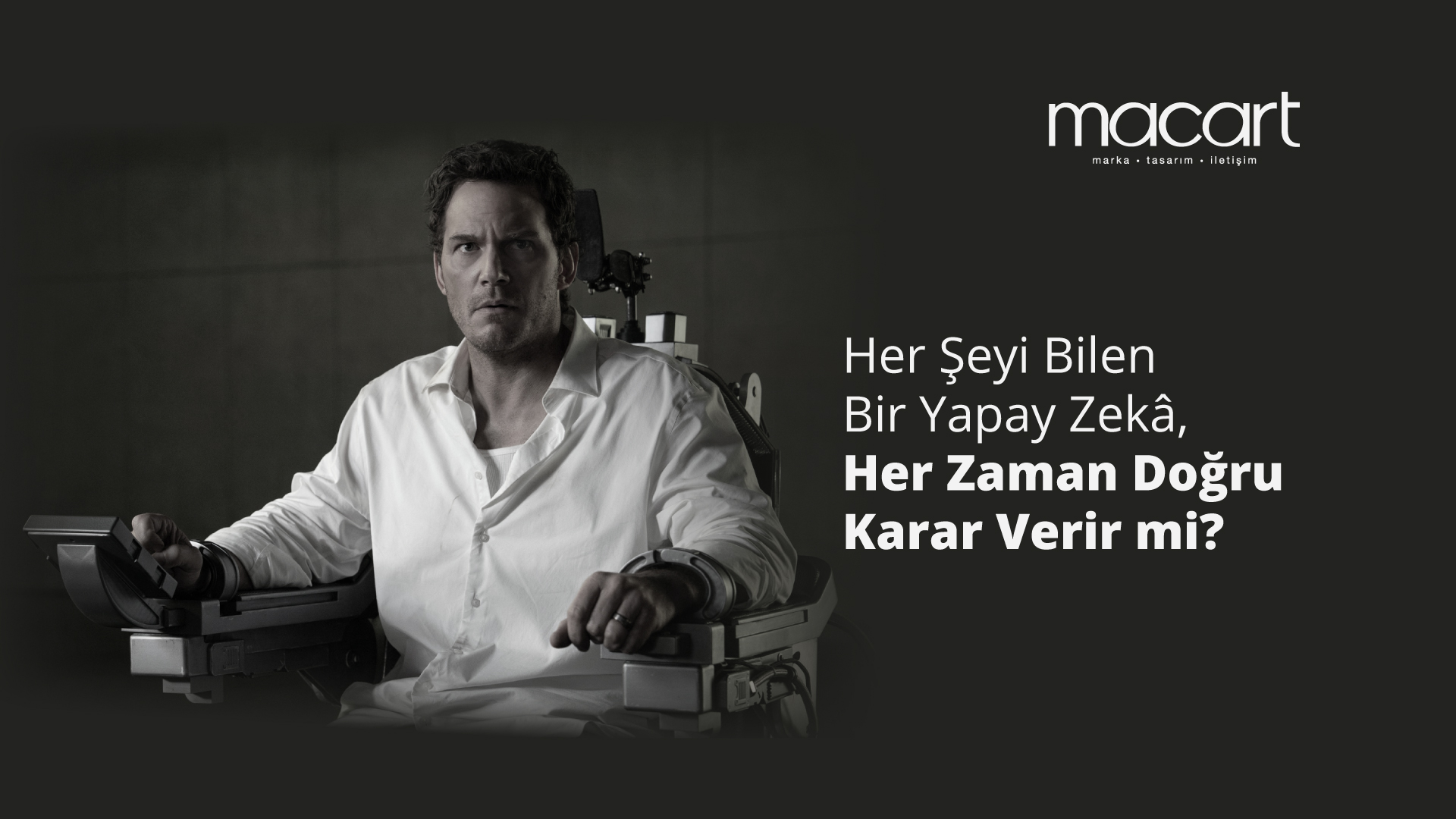
The other evening, during our film hour, my son and I watched Mercy. We had a good evening, but what stayed with me after the film was not the action. The story is set in 2029. A police officer is accused of killing his wife and has only 90 minutes to prove his innocence. Facing him is not a person, but an artificial intelligence judge with access to every piece of data. The film, with Chris Pratt and Rebecca Ferguson in the leading roles, makes you ask: what happens if, one day, the important decisions about our lives are made entirely by artificial intelligence?
The future the film describes is not as far away as we think. The story of people and artificial intelligence working together is still very new. Some of us see it as a great opportunity, some keep a distance, and some of us do not want to give up our habits. We lived through something similar when the internet, and then smartphones, entered our lives. Today we no longer ask artificial intelligence only for information. We ask for ideas, we have it do research, we have it weigh our decisions. Without quite noticing, we trust it a little more each day. Who will set the limit of that trust?
I do not read this change only as a matter of technology. The ways people think, decide and relate to one another are changing too. We feel this more in the world of brands and communication. As information becomes easier to reach, asking the right questions, weighing different points of view and understanding the person become more important. People who reach the same information do not always arrive at the same conclusion. Artificial intelligence can offer us options, but deciding which option is right is still our responsibility. Human intuition and judgment become more valuable exactly there.
Mercy reminded me of something else. We all leave a large digital trace behind us now. Our messages, photographs, calls, preferences. In the film, all of that data is used to decide a person’s fate. In real life, the same data helps brands know their customers better. Treating a person as nothing but data is dangerous too. Numbers can show us what people do. They cannot always explain why. Communication works the same way. To understand why a customer trusts you, why they walk away, or why they stay with the same brand for years, you sometimes have to step away from the screen and listen to the person.
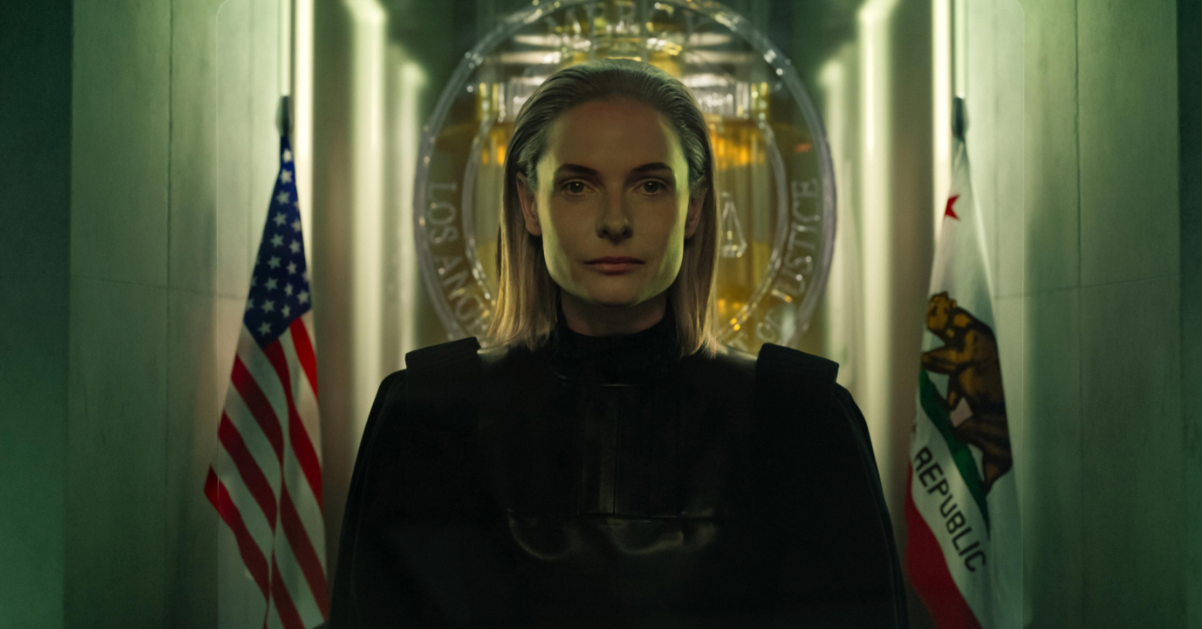
I will not tell the ending. I would rather people who are curious watch it. That evening I both spent good time with my son and thought a little more about the near future. In the years ahead, the real question will not be how far artificial intelligence develops. It will be what kind of relationship we build with it. Rejecting the technology does not seem right to me, and neither does accepting everything it says. While we use it, we should not forget to think, to question and, when needed, to object. In the future, the difference will not be made by those who use artificial intelligence the most, but by people who can think better alongside it.
